Research

LIACC @ UFP researches artificial intelligence applied to real problems. Our projects cover machine learning, language models and speech recognition, computer vision, security and blockchain, and ubiquitous computing, with applications in health, industry, seismic risk and sustainability. Each project page gives a fuller description, the team and the publications.

At a glance

Funding and partners

LIACC is a research unit with multi-annual funding from FCT — Fundação para a Ciência e a Tecnologia (UID/00027/2025), and receives funding from the Recovery and Resilience Plan (PRR) through NextGenerationEU. Our projects are funded by FCT and by COMPETE 2030 and the ERDF; MediSpeech is part of the ITEA cluster of the Eureka Network.

We work with the Faculty of Engineering of the University of Porto (FEUP), Instituto Superior Técnico, the University of Aveiro, the University of Minho, PIEP and companies such as EGITRON and Sirplaste, and have had international support from the Humanitarian OpenStreetMap Team and the SimCenter AI group (Berkeley and Stanford).

Recovery and Resilience Plan (PRR)

LIACC is funded by the Portuguese Recovery and Resilience Plan (PRR), with European Union NextGenerationEU funds, and by the multi-annual funding of FCT. The PRR funding strengthens the unit’s research infrastructure, including a hyperspectral imaging system for AI in health, innovation and industrial vision.

Recovery and Resilience Plan (PRR)
UID/PRR2/00027/2025 · January 2025 – June 2026
FCT multi-annual funding
UID/00027/2025
Main investment
Hyperspectral camera Specim FX17 NIR (900–1700 nm) and LabScanner 40×20
Total eligible cost
€309,154.93 · €48,305.46 at UFP
Artificial intelligence and machine learning

We use deep learning and machine learning to extract information from images, sensors and large datasets:

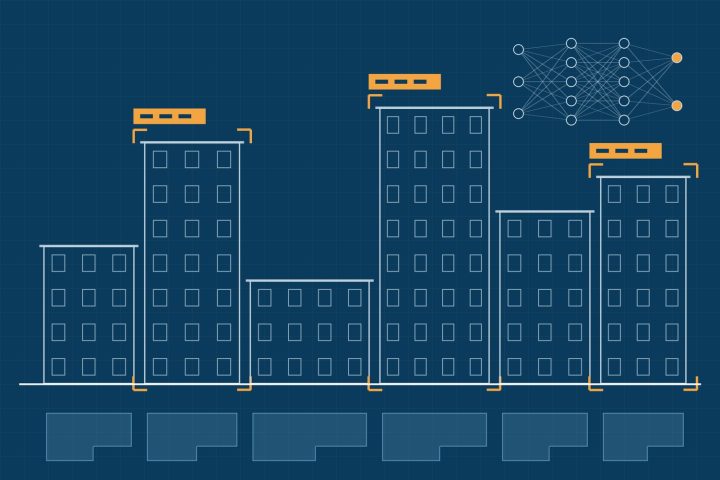
  • AI4DRR — a deep learning model estimates the structural attributes of each building from Google Street View photographs, to build automatically the exposure models that seismic risk assessment needs. An exploratory FCT project, tested in a parish of Lisbon.
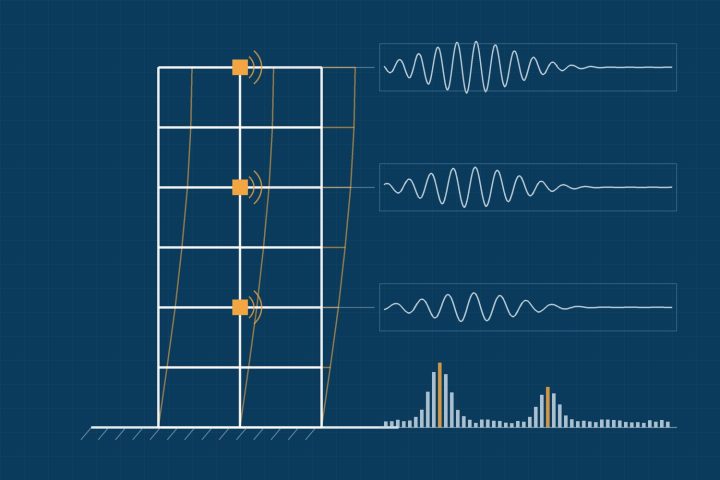
  • ASSIMILATE — low-cost vibration sensors and machine learning to calibrate numerical models of buildings and estimate damage after an earthquake, with the University of Aveiro and FEUP.
  • SAFENET — machine learning and big data to assess how earthquakes affect transportation networks, in an FCT project led by FEUP with Instituto Superior Técnico.
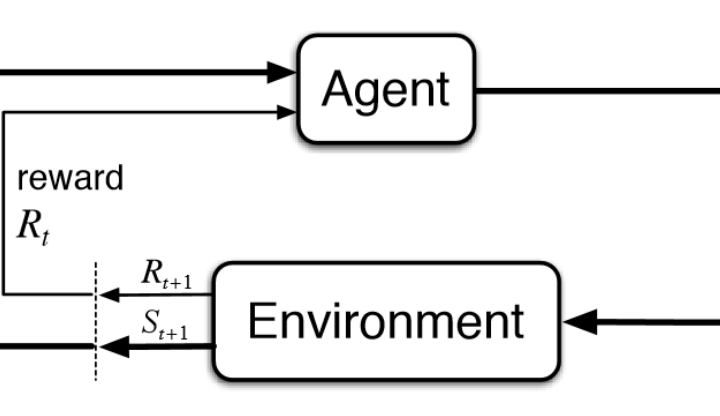
  • Reinforcement learning recommender systems for radio and game aggregator websites.

The group’s publications also include deep learning for glaucoma detection on fundus images taken with a smartphone, classification of table tennis strokes with a wearable device, and a machine learning pipeline for predicting the performance of call center operators.

Large language models (LLM) and speech recognition

  • MediSpeech — an international project in the ITEA cluster of the Eureka Network, with 19 organisations from Portugal, the Netherlands, Türkiye and the United Kingdom, running until 2028. It combines artificial intelligence with real-time automatic speech recognition to turn the conversation between doctor and patient into text, fill in Electronic Health Records and generate clinical reports in several languages. UFP is a co-promoter.
  • ESG4NPO — a sustainability management tool for non-profit organisations, available in five languages, with a conversational AI assistant that generates personalised ESG strategies and action plans. Its outputs include the master’s dissertation “ESG4NPO: A Retrieval-Augmented LLM System for ESG Management Support in Non-Profit Organizations” (ISEP, 2026).

Computer vision and hyperspectral imaging

  • ACAMAI — computer vision and transfer learning on street-level imagery to detect kerb ramps, obstacles and sidewalk problems and map city accessibility, with labelled datasets for Porto. Honourable mention in the Mobility & Logistics category of the 3rd Cities & Territories Prize (APDC, 2024).
  • SAFENET — at UFP, image-based classification of bridges and viaducts, presented at IEEE SmartNets 2026 in Rome.
  • PrecisionPlastics — short-wave infrared (SWIR) hyperspectral imaging to classify polymer pellets automatically, presented at AOP 2026 in Lisbon. LIACC’s PRR funding includes a Specim FX17 hyperspectral camera.
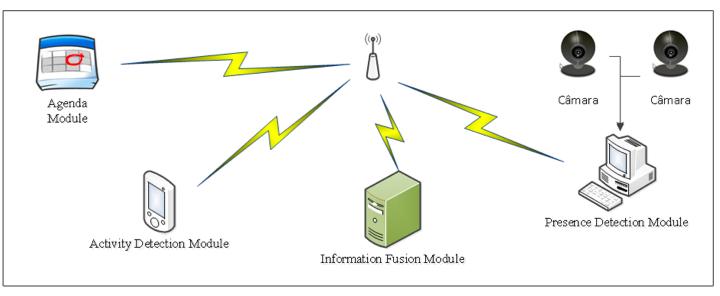
  • DistSense — recognition of household activities from audio and video, with trained audio and video models reaching 88% and 80% accuracy.
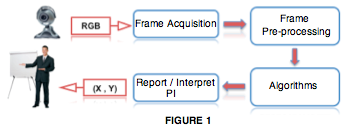
  • LoCoBoard — a low-cost interactive whiteboard built on computer vision algorithms.

Our publications also include automatic forest fire detection with a machine learning and image analysis pipeline.

Security, privacy and blockchain

  • Blockchain for trustworthy records and credentials: secure and transparent electronic voting (in the journal Cryptography), revocation mechanisms for academic certificates, a self-sovereign identity model and diploma management in higher education — see the publications. Also: smart cities and security, a preventive approach.
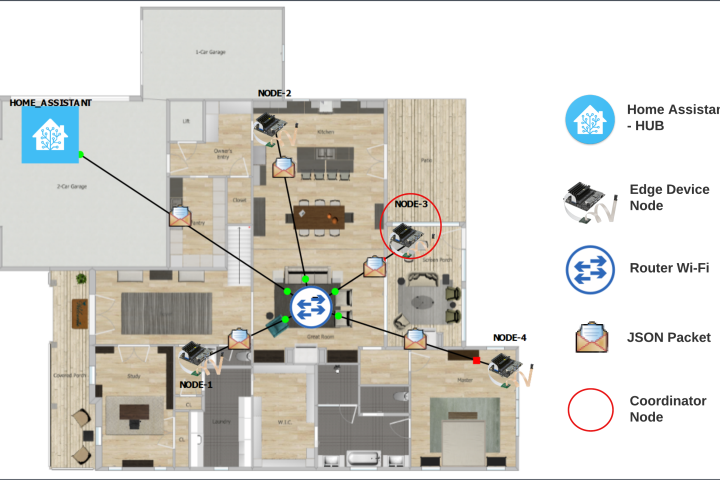
  • DistSense — a peer-to-peer network of smart household sensors designed to protect the privacy of audiovisual data, which records and validates detected events on a blockchain.
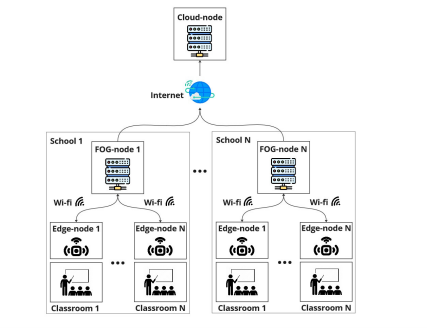
  • Airmon — maps classroom occupancy without cameras or other intrusive methods, on an architecture designed with security in mind.
  • EMBRACE — includes financial and digital literacy that helps older people protect themselves against fraud; Prof. Christophe Soares, of LIACC @ UFP, is responsible for the informatics component.

Ubiquitous computing, IoT and health

Prizes and recognition

  • Honourable mention in the 3rd Cities & Territories Prize (APDC, 2024) for ACAMAI, which was also selected for the Porto Elderly-Friendly City Action Plan 2023–2025.
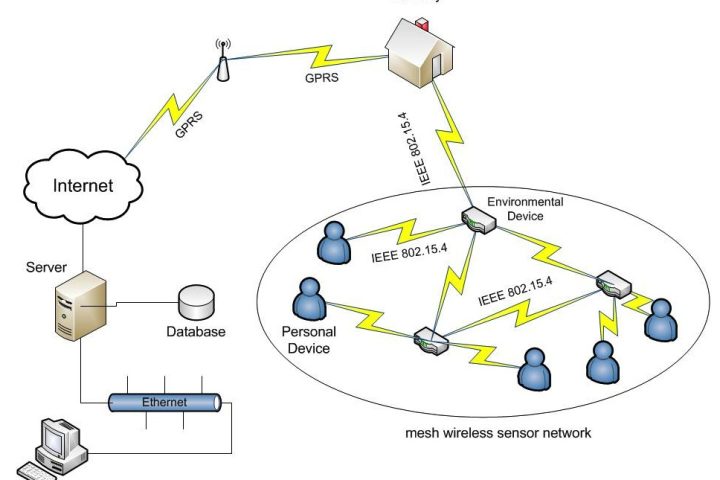
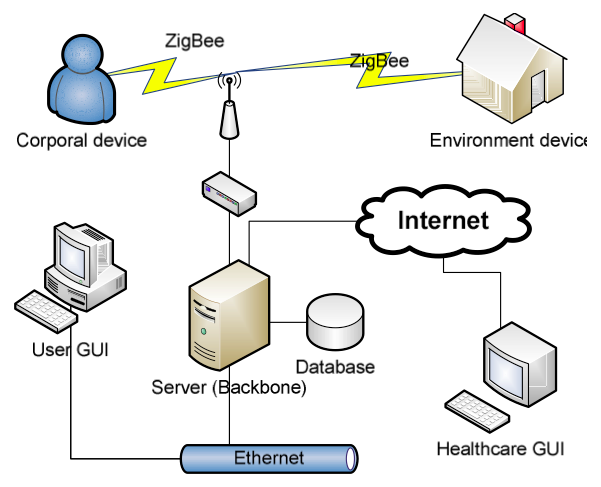
  • First prize in the 8th international technological contest promoted by the Galicia Government (2008), for remote patient monitoring in home environments.
  • The CiberUFP team (José Manuel Torres and Christophe Soares) won the CyberMouse robotic simulation competition at the University of Aveiro three years in a row, in 2011, 2012 and 2013.
  • Papers in journals such as Cities (Elsevier), Earthquake Spectra and IET Smart Cities, and at international conferences such as IEEE SmartNets, EPIA and ICASP14.

Active research

Project

EMBRACE: From Vulnerability to Empowerment

Universidade Fernando Pessoa (UFP) leads EMBRACE — From Vulnerability to Empowerment, a research project that implements and evaluates a multicomponent programme to prevent and…

Project · until 2028

MediSpeech: Automated Medical Reporting with AI

Universidade Fernando Pessoa (UFP) is a co-promoter of MediSpeech — Improved efficiency in automated medical reporting to enhance doctor and patient experience, an international…

Past research

Project

Project Smart Space for Eldercare

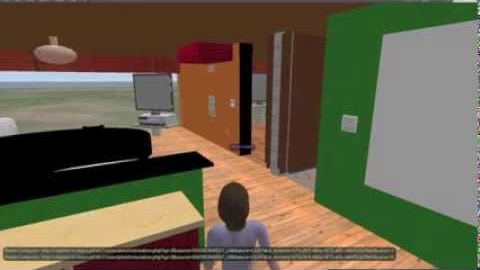
The aim of this project is to equip the homes of older people who live alone with technology that supports their daily activities. The…

Project · 2010–2013

SHHC: Safe Home Health Care

The context of this project is the growing need for automated health-care support for the sick and the elderly at home that can provide…