PrecisionPlastics: Redefining Recycling with Technology
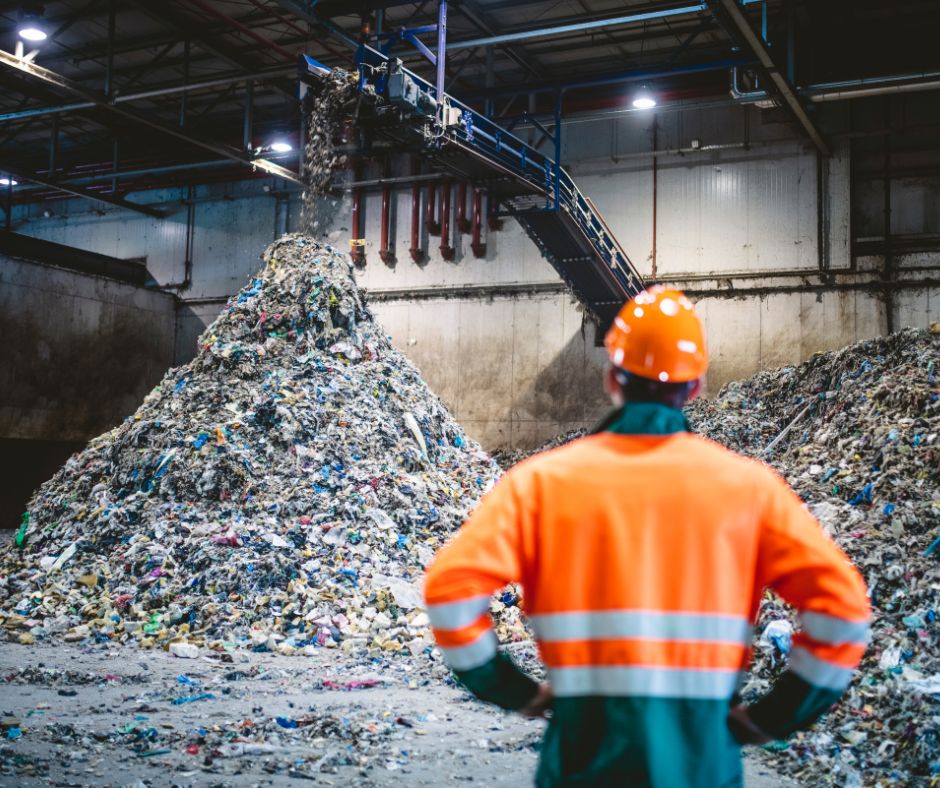
Universidade Fernando Pessoa (UFP) is a partner in PrecisionPlastics: Redefining Recycling with Technology, an R&D project that develops quality-control and traceability technologies for the plastics recycling industry. UFP takes part through LIACC @ UFP, alongside two companies and two other research institutions.
Why it matters
Plastics are everywhere because they are cheap and versatile, and those same qualities make them hard to recycle well. Some post-consumer recycling programmes are almost 50 years old, yet a large share of plastic still ends up in landfill. Recycled plastic is difficult to sort and clean, and it sells for little, so much of its value is lost along the way.
PrecisionPlastics responds to the growing demand for recycled plastic and to the recycling targets set by the European Strategy for Plastics: recycle more, recycle better, and waste less material in the process.
What the project develops
- Advanced separation — technologies that sort plastic waste more accurately, so that the recycled material is purer.
- Real-time monitoring — quality control during the recycling process itself, rather than only on the final product.
- Traceability — ways to identify the recycled plastic and to trace and validate where it came from.
Team at UFP
Principal investigator: Prof. Christophe Soares.
Researchers:
- Prof. António Lobo Ribeiro
- Prof. José Manuel Torres
- Prof. Feliz Ribeiro Gouveia
Consortium
The consortium brings together two companies and three entities of the national scientific system:
- Universidade Fernando Pessoa (Fundação Ensino e Cultura Fernando Pessoa)
- EGITRON
- Sirplaste
- PIEP — Innovation in Polymer Engineering (scientific leader)
- Universidade do Minho

Funding
| Operation code | COMPETE2030-FEDER-01183400 |
| Total cost | €2,065,223.36 |
| Eligible cost | €2,065,223.36 |
| EU financial support | €1,614,615.45 (78% co-funding) |
The project is co-funded by the European Union through COMPETE 2030 and Portugal 2030. The figures above are for the whole consortium. Download the project sheet (PDF, in Portuguese).
